
Sensitive data on personal devices
Tokens, cached records, screenshots, notifications, logs, files, and backups can expose PHI when mobile storage and lifecycle are not designed carefully.
Healthcare App Development
Torch Solutions builds secure iOS, Android, and cross-platform healthcare apps for patients, providers, caregivers, medication workflows, messaging, wearables, and connected care.
What Is This Service?
Healthcare mobile app development creates patient, provider, caregiver, and field applications that support care outside a desktop or facility. Apps may manage appointments, intake, secure messages, education, medication reminders, symptom tracking, remote monitoring, care tasks, telemedicine, and access to selected health records.
Healthcare organizations and startups need mobile software when browser-only workflows cannot provide timely notifications, camera or sensor access, offline capability, or a focused experience for people on the move. The business value comes from better access, engagement, coordination, and data collection—not from publishing an app that duplicates a portal.
Torch Solutions designs the mobile experience together with its backend, identity, healthcare integrations, notifications, support tools, and cloud operations. We build native Swift and Kotlin apps or React Native and Flutter products according to device capability, team ownership, performance, accessibility, timeline, and long-term maintenance.
Mobile engagement is treated as a product outcome rather than a download count. We identify the moments when an app is genuinely more useful than email, a portal, or a phone call: receiving a time-sensitive reminder, recording a symptom, checking a care task, joining a visit, messaging a care team, or sharing a device reading. Notification frequency, quiet hours, sensitive lock-screen content, consent, and opt-out are designed around those moments. Analytics focus on completion, errors, retention, and care-workflow handoff without collecting unnecessary health information.
The app lifecycle also shapes architecture. Operating-system updates can change permissions and background behavior; app-store policies evolve; certificates expire; backend contracts change; and older clients may remain installed. Versioned APIs, supported-version policies, feature flags, staged releases, migration testing, crash reporting, and clear upgrade behavior help the service remain reliable. This operational discipline is particularly important when the app is part of medication, monitoring, communication, or provider work rather than an optional content experience.
Caregiver and delegated-access scenarios receive explicit design attention. A person may help multiple family members, while a patient may grant different permissions for scheduling, tasks, messages, or selected records. The app needs visible context, revocation, auditability, and safeguards against acting for the wrong person.
Business Challenges
Tokens, cached records, screenshots, notifications, logs, files, and backups can expose PHI when mobile storage and lifecycle are not designed carefully.
Complex onboarding, unclear value, inaccessible design, notification fatigue, and repetitive data entry lead users to abandon healthcare apps.
A patient app creates extra work when messages, readings, forms, and alerts are not integrated with staff queues and records.
Permissions, background tasks, notifications, connectivity, screen sizes, sensors, and operating-system updates affect reliability.
Large streams from Apple Health, Health Connect, and devices need consent, normalization, trends, thresholds, and clinical ownership.
App-store review, certificates, privacy disclosures, crash monitoring, migrations, and forced updates require continuing operational discipline.
Our Solution
We define users, care outcomes, environments, devices, accessibility, identity, integrations, notifications, support, and the smallest valuable mobile workflow.
Local storage, authentication, tokens, biometrics, APIs, PHI caching, notifications, files, analytics, and device permissions are designed around minimum exposure.
We choose Swift, Kotlin, React Native, or Flutter based on hardware access, performance, team skills, feature depth, release plans, and ownership.
FastAPI or Django services, PostgreSQL, Redis, integrations, cloud monitoring, administrative tools, QA, deployment, and maintenance support the complete app.
Features & Capabilities
Registration, profiles, appointments, forms, education, records, care plans, payments, and support workflows.
Schedules, patient context, task queues, documentation, secure communication, review, and field workflows.
Schedules, confirmation, missed-dose workflows, refill prompts, education, and appropriate escalation without unsafe assumptions.
Role-aware conversations, attachments, notifications, retention, support, and auditable access.
Apple Health and Android Health Connect data with explicit permissions, source context, synchronization, and revocation.
Patient-reported and device data, charts, thresholds, review queues, alerts, and care-team escalation.
Protected local work, clear sync status, conflict handling, retries, and data minimization for unreliable connectivity.
Business Benefits
Patients and providers can complete focused tasks, receive information, and communicate without returning to a desktop.
Timely reminders, accessible design, progress, and relevant education support participation without relying on excessive notifications.
Structured forms, sensors, images, and patient-reported outcomes create timely information when consent and context are clear.
Shared tasks, messages, status, and escalation reduce fragmented communication among patients, caregivers, and providers.
Mobile apps can become secure product channels connected to the same identity, APIs, tenant controls, analytics, and integrations.
Our Healthcare App Development Process
Define users, outcomes, workflows, devices, accessibility, regulations, data, integrations, analytics, and release constraints.
Design identity, APIs, local storage, synchronization, notifications, permissions, integrations, cloud, audit, and recovery.
Prototype onboarding, consent, navigation, forms, reminders, errors, accessibility, and provider or caregiver handoffs.
Build app features, backend services, administrative tools, healthcare integrations, and automated tests in reviewable increments.
Test supported devices, OS versions, permissions, network states, background work, accessibility, time zones, and data synchronization.
Validate authentication, authorization, token storage, local files, PHI exposure, APIs, logs, dependencies, and abuse cases.
Prepare certificates, store listings, privacy disclosures, staged rollout, monitoring, backend migrations, rollback, and support.
Track crashes, performance, OS updates, store requirements, security issues, engagement, feedback, and product outcomes.
Technologies We Use
We select native or cross-platform technology according to the required device capabilities and ownership model, then connect the app to secure healthcare APIs, cloud services, identity, databases, and monitoring.
Industries We Serve
Patient access, provider mobility, care coordination, education, intake, and follow-up.
Appointments, reminders, secure communication, forms, payments, and post-visit workflows.
Mobile visits, messaging, assessments, recurring care, notifications, and safety-aware escalation.
Accessible tasks, caregiver collaboration, voice interactions, monitoring, and continuity outside facilities.
Patient and provider products with scalable APIs, tenant-aware data, analytics, and integration paths.
Why Torch Solutions
Our elderly-care work includes caregiver and care-receiver apps, accessible workflows, tasks, secure communication, and conversational assistance.
We connect mobile experiences with clinical documentation, Athenahealth workflows, APIs, cloud platforms, and healthcare automation.
Our team works across Swift, iOS frameworks, Kotlin, React Native, Flutter, web, backend, and cloud engineering.
Authentication, consent, permissions, local data, notifications, review, and support are designed together instead of added after development.
Related Case Studies
An accessible mobile care platform supporting caregiver coordination, tasks, secure communication, and conversational assistance.
Read Case Study →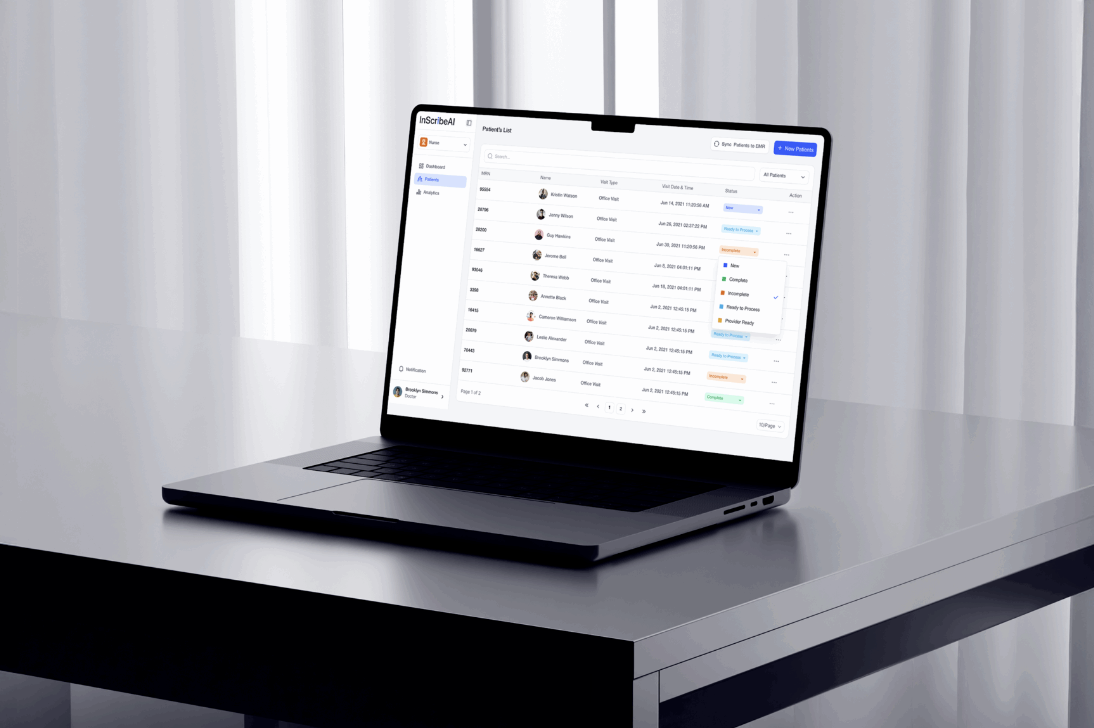
A HIPAA-aware healthcare SaaS platform combining speech recognition, structured AI documentation, human approval, retrieval, and Athenahealth and CharmHealth integrations.
Read Case Study →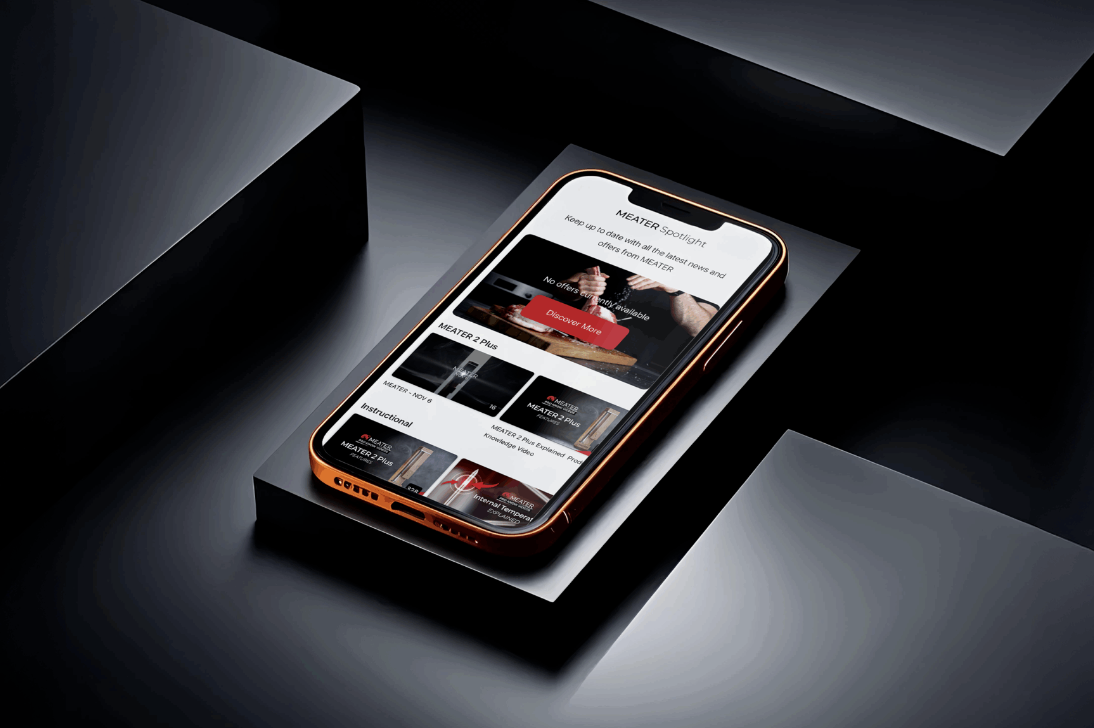
A cloud-backed mobile system demonstrating large-file workflows, offline synchronization, APIs, processing pipelines, and operational dashboards.
Read Case Study →Combine this capability with the application, cloud, data, integration, and product engineering required to operate it reliably.
Frequently Asked Questions
Cost depends on platforms, workflows, backend, integrations, wearables, offline capability, security, migration, analytics, QA, and support. Discovery produces a scoped estimate.
Native fits deep device integration and platform-specific experiences. Cross-platform can reduce duplicated work. We decide from hardware, performance, team, timeline, and maintenance needs.
Yes. We design separate role experiences backed by shared identity, APIs, permissions, data, communication, and administrative workflows.
Yes. On current Android platforms we generally evaluate Health Connect. Integrations require explicit permissions, data-type mapping, synchronization, source context, and revocation.
Yes. We build schedules, notifications, confirmations, missed-dose handling, refill prompts, education, and client-defined escalation while avoiding unsupported medical advice.
Yes, where the workflow requires it. We design protected local storage, limited offline scope, clear status, conflict handling, retries, and secure synchronization.
We prepare builds, signing, store assets, privacy details, review responses, staged rollout, and monitoring. The client owns required organizational accounts and legal representations.
Often. We assess identity, APIs, local storage, logs, notifications, analytics, vendors, cloud, permissions, recovery, and operations, then prioritize remediation.
A focused MVP often takes several months. Multiple roles, EHR integrations, wearables, offline work, regulated workflows, and enterprise requirements extend delivery.
Need to assess a specific AI use case? Contact Torch Solutions.
CustomSoftware DevelopmentCompany
Talk with an experienced software team about your goals, workflows, users, integrations, and technical risks before you commit to a roadmap, architecture, or development budget.