Fragmented patient journeys
Booking, intake, video, payments, records, and follow-up often live in separate products with repeated sign-in and data entry.
Telemedicine Software Development
Torch Solutions builds secure telemedicine platforms for video visits, scheduling, patient portals, messaging, billing, remote monitoring, and provider workflows.
What Is This Service?
Telemedicine software connects patients and care teams when they are not in the same location. A complete platform may coordinate registration, consent, appointment booking, reminders, intake, video consultation, clinical notes, prescriptions, billing, follow-up, secure messaging, and remote patient monitoring.
Hospitals, clinics, mental-health practices, specialty providers, healthcare startups, and medical SaaS companies need telemedicine when consumer video tools and disconnected forms cannot support clinical identity, privacy, documentation, and continuity. Business value comes from improved access and capacity without creating another isolated record.
Torch Solutions designs telehealth around the full care journey. We map patient and provider roles, licensure and operational rules supplied by the client, EHR touchpoints, communication, devices, exceptions, and support. The platform combines HIPAA-aware architecture, accessible web and mobile interfaces, APIs, cloud operations, and monitored integrations.
The consultation itself is only one part of virtual care. Before a visit, the product may need eligibility, appointment type, consent, intake, payment, language, device checks, and reminders. During the visit, users need patient context, reliable media, clear participant status, documentation, and a fallback if the connection fails. Afterward, orders, summaries, education, billing, messages, prescriptions, monitoring, and follow-up must reach the right people and systems. We model these transitions explicitly so patients do not encounter dead ends and providers do not reconstruct the visit across several tools.
Telemedicine operations also require capacity and exception management. Administrators need to understand provider availability, wait times, no-shows, technical failures, abandoned intake, unanswered messages, and remote-monitoring queues. Support staff need limited tools to help a patient without viewing unnecessary clinical information. Providers need clear escalation for urgent symptoms according to client-defined policy rather than an AI-generated assumption. Dashboards, audit events, service-level measures, and role-specific work queues turn the platform into an operational system instead of a video feature.
For remote patient monitoring, collecting more readings is not automatically better. We define which measures matter, how device and patient-reported data are identified, how gaps and implausible values are handled, which trends or thresholds create review, and who owns that review. The product can group context, reduce duplicate alerts, preserve acknowledgement, and show whether outreach occurred. Clinical thresholds and response policies remain the client’s responsibility; our role is to implement them transparently and reliably.
Patient engagement is designed with accessibility and trust in mind. Clear language, readable typography, keyboard and screen-reader support, captions where appropriate, translation strategy, caregiver access, and simple recovery flows help more people complete care tasks. Notifications avoid exposing sensitive details on a lock screen. Consent and privacy choices are explained at the moment they matter. When a patient cannot complete intake, payment, permissions, or a connection check, the system provides a recoverable path and gives authorized staff enough status to help without unnecessarily viewing clinical content. We also define how invited caregivers, interpreters, guardians, and additional clinicians join a visit, what each participant can see, and how access ends. These details prevent virtual convenience from creating unclear authority or accidental disclosure across supported patient and provider care pathways in practice.
Business Challenges
Booking, intake, video, payments, records, and follow-up often live in separate products with repeated sign-in and data entry.
Poor connections, device permissions, browser differences, and missing fallback options can interrupt time-sensitive care.
Clinicians may need to re-enter notes, search for patient context, or manage schedules across multiple systems.
Sensitive conversations, messages, recordings, notifications, and device data require clear handling and minimum necessary access.
High-volume readings become unmanageable when thresholds, trends, triage, and escalation ownership are unclear.
Growing visit volume requires resilient infrastructure, queue management, observability, support tools, and capacity planning.
Our Solution
We define patient, provider, administrator, billing, support, and integration workflows together with clinical and operational stakeholders.
Identity, consent, video, messaging, notifications, storage, auditability, payments, integrations, and cloud boundaries are designed around sensitive data.
Responsive portals and mobile apps support clear booking, permissions, waiting rooms, consultation states, errors, and follow-up for diverse users.
Quality, security, load, device, network, recovery, and workflow testing precede staged launch, monitoring, support, and continuing maintenance.
Features & Capabilities
Secure video sessions with waiting rooms, participant controls, connection feedback, and fallback workflows.
Provider availability, appointment types, time zones, intake, cancellation, rescheduling, and reminders.
Role-specific access to appointments, forms, care information, documentation, and follow-up tasks.
Threaded communication, attachments, notifications, retention, escalation, and auditable access.
Payment, eligibility, invoice, claim-support, and reconciliation integrations according to the business model.
Device or patient-reported data, thresholds, trends, review queues, alerts, and escalation context.
FHIR, HL7, SMART on FHIR, scheduling, patient, encounter, and approved-document integration where supported.
Business Benefits
Remote visits reduce travel and support patients who face distance, mobility, scheduling, or specialist-access barriers.
Structured scheduling, intake, reminders, and follow-up reduce administrative coordination around each visit.
Connected messages, records, monitoring, and follow-up keep virtual care from becoming a one-time disconnected interaction.
Organizations can launch specialty programs, virtual-first services, hybrid care, and remote monitoring with measurable workflows.
Dashboards reveal visit status, no-shows, technical failures, response queues, monitoring exceptions, and service performance.
Our Healthcare Development Process
Map care models, users, visits, jurisdictions, consent, records, payments, devices, support, and success measures.
Define identity, data, video, messaging, integrations, cloud services, availability, audit, and recovery.
Prototype patient and provider journeys, accessibility, device permissions, waiting, consultation, and failure states.
Build portals, apps, APIs, scheduling, communication, payments, monitoring, and administrative tools incrementally.
Test browsers, devices, networks, roles, time zones, scheduling, notifications, video, and integrations.
Validate permissions, sessions, PHI exposure, APIs, storage, logs, dependencies, and abuse cases.
Use controlled migrations, monitoring, alerting, capacity tests, rollback, backup, and staged adoption.
Review incidents, feedback, visit outcomes, performance, vendor changes, and roadmap improvements.
Technologies We Use
Telemedicine combines healthcare interoperability, real-time communication, web and mobile applications, cloud infrastructure, and secure APIs selected around the care model.
Industries We Serve
Hybrid outpatient, specialist, follow-up, and care-coordination programs.
Consultations, triage, scheduling, education, and post-procedure follow-up.
Privacy-aware sessions, recurring appointments, messaging, assessments, and care plans.
Multi-tenant telehealth products with configurable workflows and integrations.
Remote consultation, participant visits, data collection, and coordinated follow-up.
Why Torch Solutions
Our experience includes clinical documentation, care coordination, mobile health, EHR integration, and human review.
We build web, iOS, Android, APIs, cloud, dashboards, integrations, AI, and operational tools.
We implement safeguards and support client compliance programs without fabricating certifications.
Virtual visits are designed to produce usable follow-up, documentation, and system updates.
Related Case Studies
An accessible mobile care platform supporting caregiver coordination, tasks, secure communication, and conversational assistance.
Read Case Study →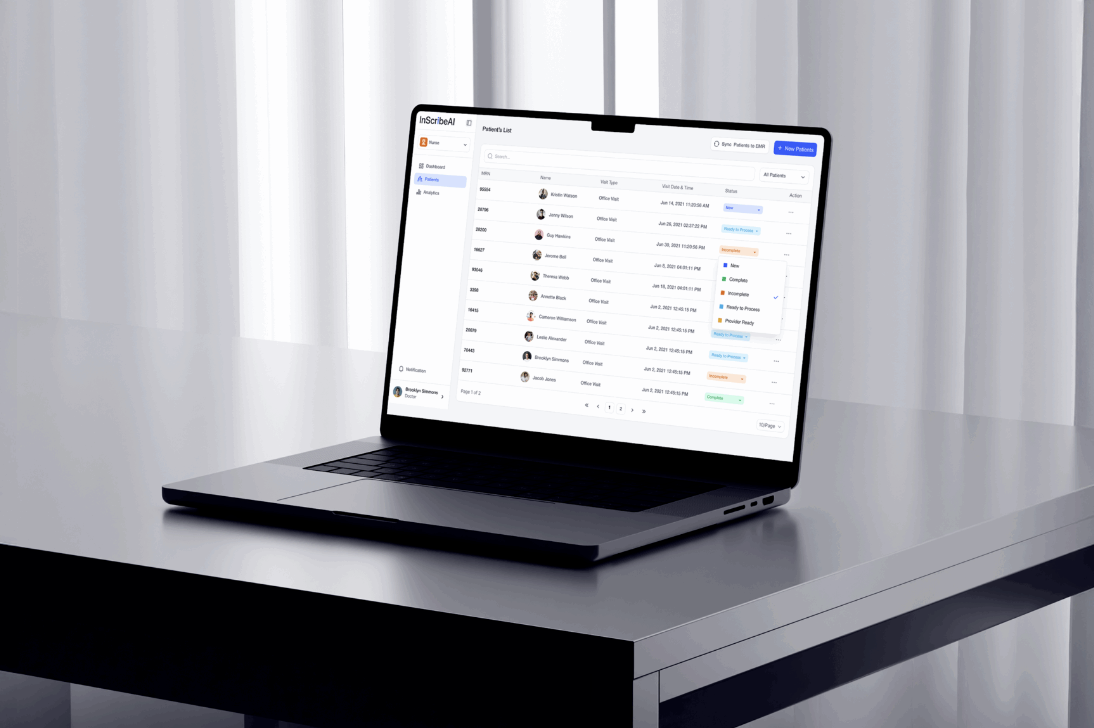
A HIPAA-aware healthcare SaaS platform combining speech recognition, structured AI documentation, human approval, retrieval, and Athenahealth and CharmHealth integrations.
Read Case Study →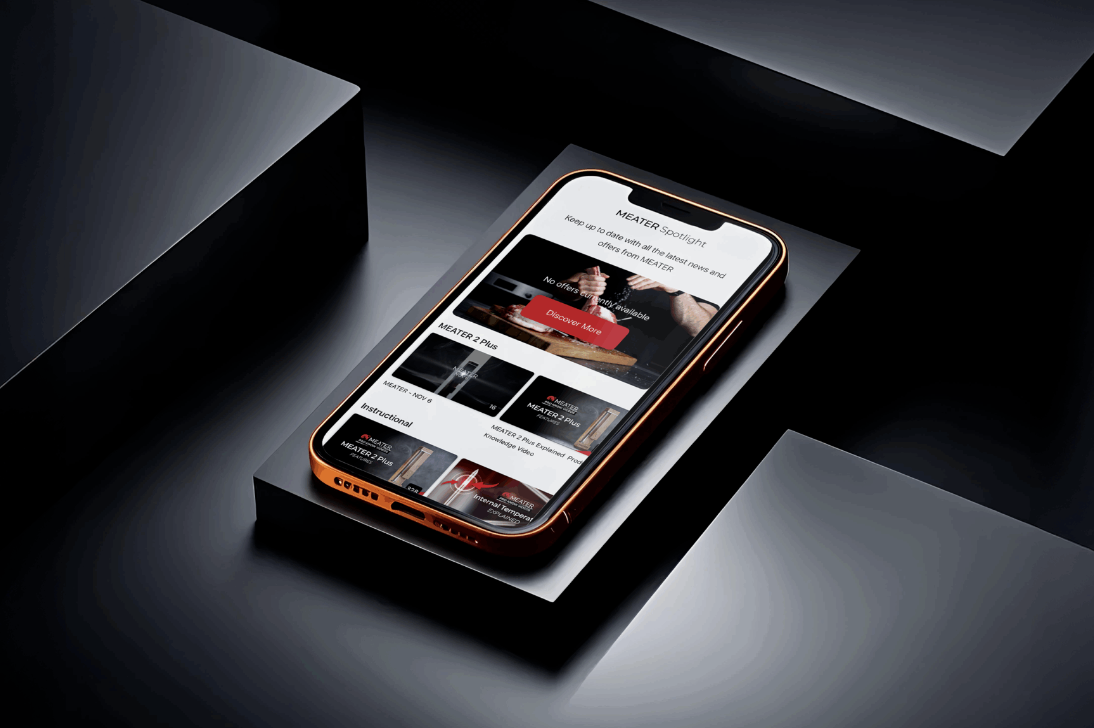
A cloud-backed mobile system demonstrating large-file workflows, offline synchronization, APIs, processing pipelines, and operational dashboards.
Read Case Study →Combine this capability with the application, cloud, data, integration, and product engineering required to operate it reliably.
Frequently Asked Questions
Cost depends on platforms, video, scheduling, messaging, billing, EHR integration, monitoring, migration, security, and availability. Discovery produces a scoped estimate.
A focused first release may take several months; enterprise platforms with multiple integrations and care models take longer.
Yes, where supported APIs or interfaces are available. We design patient, appointment, encounter, document, and status synchronization around workflow ownership.
Yes. We build device and patient-reported data ingestion, trends, thresholds, review queues, alerts, dashboards, and escalation workflows.
Yes. We build responsive web, native iOS and Android, and cross-platform experiences according to device, accessibility, notification, and hardware needs.
Architecture considers approved vendors, encryption, authentication, room controls, metadata, recording policy, retention, access, and agreements.
Yes. We can integrate payment, invoice, eligibility, billing, or claim-support workflows according to client systems and responsibilities.
Yes. We can build privacy-aware scheduling, recurring visits, assessments, messaging, documentation, and care coordination.
We design connection feedback, adaptive video where supported, retry, audio or messaging fallback, preserved intake, and safe rescheduling.
Need to assess a specific AI use case? Contact Torch Solutions.
CustomSoftware DevelopmentCompany
Talk with an experienced software team about your goals, workflows, users, integrations, and technical risks before you commit to a roadmap, architecture, or development budget.