AI agents for a specific workflow
Intake, research, preparation or routing tasks that use your tools and data with human approval.
AI Proof of Concept Development
In about four weeks we turn one high-value AI use case into a working prototype on your real data, measure how well it performs, and give you an architecture and estimate for production, so you can decide with evidence instead of a demo.
What Is This Service?
Most AI initiatives do not fail because the model is weak. They fail because the use case was vague, the data was not ready, nobody measured quality, or the prototype could not survive real users and systems. A focused proof of concept answers the questions that matter before you commit a full budget: does it work on our data, how accurate is it, what will it cost to run, and what does production require?
Our proof-of-concept engagement is deliberately narrow: one workflow, representative data, explicit success criteria and an evaluation you can trust. You keep the prototype, the evaluation set and the findings whether or not you continue with us.
Features & Capabilities
Intake, research, preparation or routing tasks that use your tools and data with human approval.
Answers with citations from your documents, policies, tickets or knowledge base.
Pulling structured fields from PDFs, forms, emails or scans into your systems.
Transcription and structured note generation for a defined specialty or role.
Support assistants grounded in your content with escalation to people.
Forecasting, risk scoring or triage models on your historical data.
Business Benefits
Success criteria are agreed up front and measured on your data.
A short, fixed-scope engagement instead of an open-ended build.
Architecture, integrations, security considerations, running costs and an estimate for the full build.
The prototype, evaluation set and findings are yours to keep.
The Four Weeks
We define the workflow, users, data access, constraints and the measurable results that would justify a production build.
We gather representative, appropriately protected data and build an evaluation set that reflects real cases, including difficult ones.
We compare suitable models and approaches and build a working prototype with a simple interface your team can try.
We measure quality, latency and cost against the success criteria and improve the weakest points.
We present results, limitations, production architecture, risks and an estimate, and hand over everything we built.
Move to an MVP, adjust the use case, or stop with clear evidence. All are good outcomes.
Technologies We Use
We select the simplest dependable approach for the use case and compare providers on your data.
Who It's For
Documentation, intake, administrative automation and patient-record Q&A.
AI features inside an existing product.
Document processing, routing and internal knowledge assistants.
Field data, site documentation and project records.
Why Torch Solutions
Our work includes an AI clinical documentation platform that cut documentation from more than an hour to about 20 minutes per patient.
We measure quality with your data and agreed criteria, not a handful of cherry-picked examples.
We design with integrations, security, cost and monitoring in mind so the path to production is real.
If the use case is not ready or AI is the wrong tool, we will tell you.
Related Case Studies
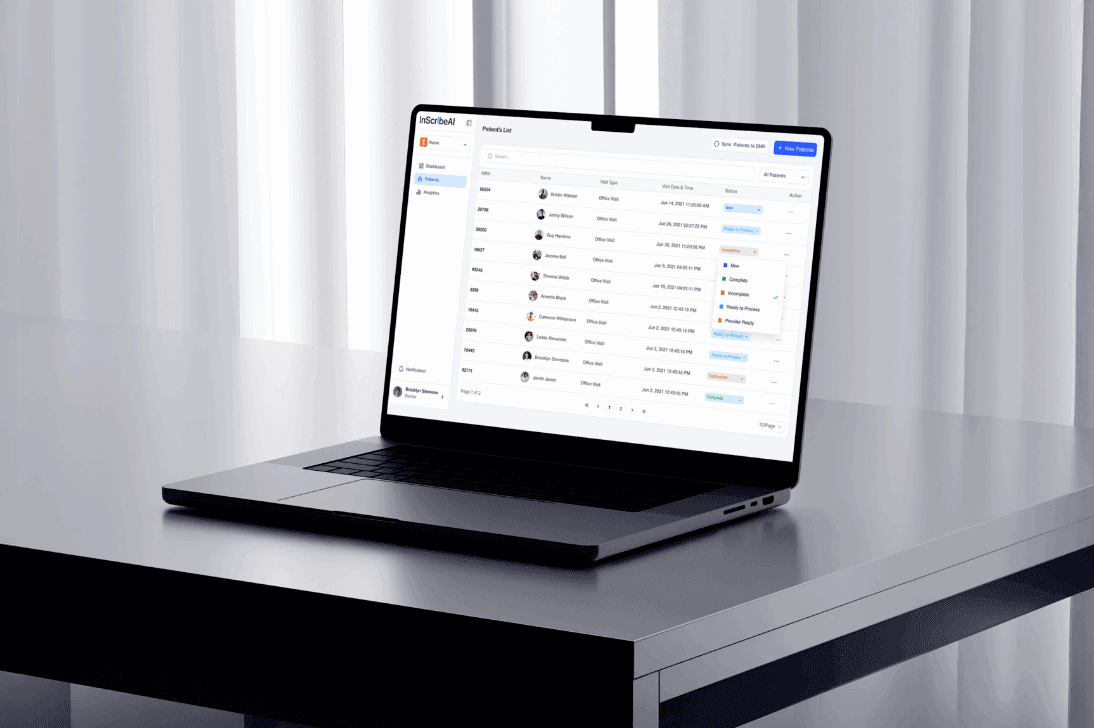
HIPAA-aware AI scribe: clinical speech recognition, multi-stage LLM notes, clinician approval and Athenahealth / CharmHealth integration. Documentation cut from 60+ to about 20 minutes per patient.
Read Case Study →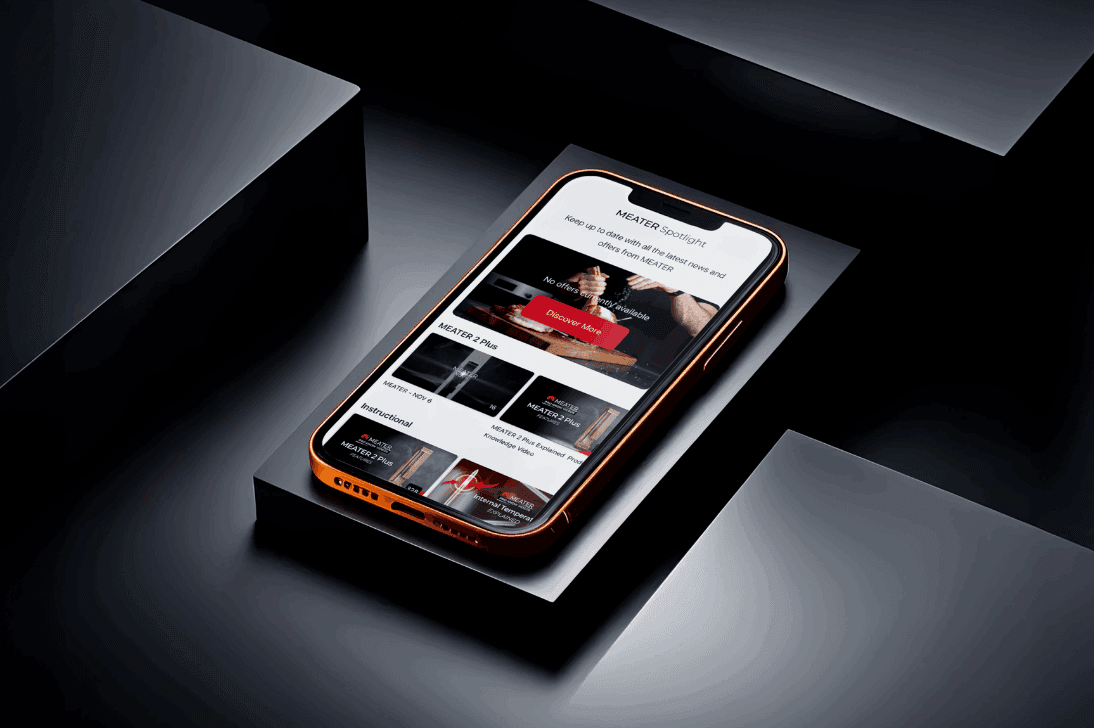
iPhone LiDAR, GPS and photogrammetry capture turned into point clouds, USDZ/GLB models, GeoTIFF overlays and site measurements in a web dashboard.
Read Case Study →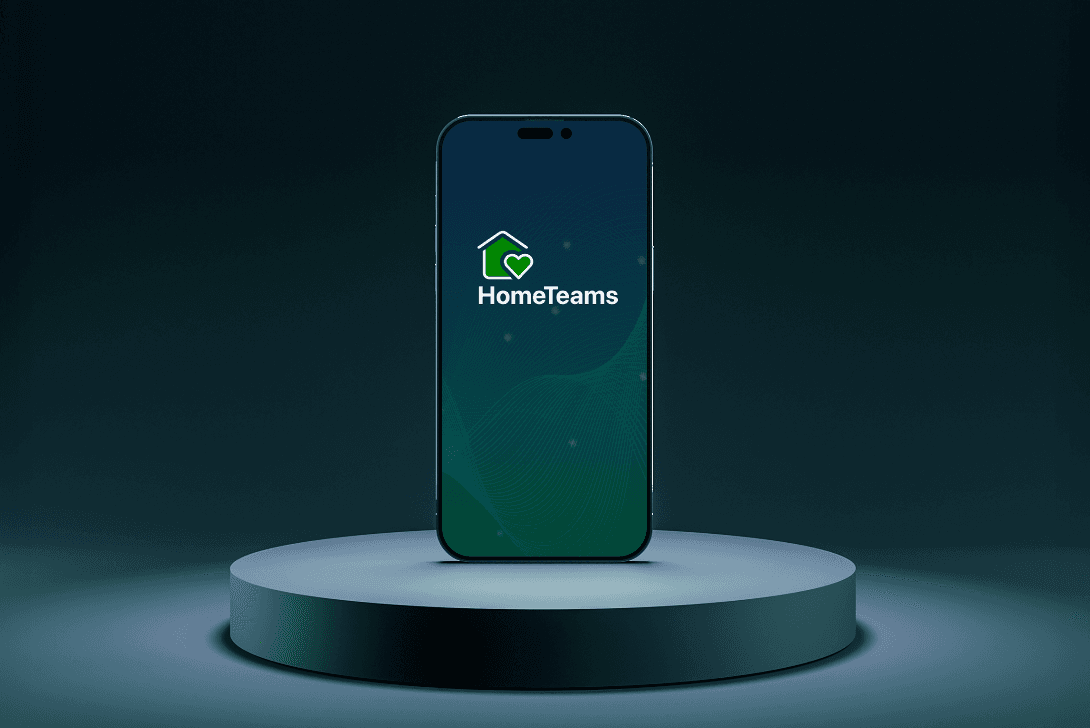
Caregiving app with voice-based conversational AI, care plans, task coordination, secure team chat and accessible design for older users.
Read Case Study →What You Get
The proof of concept is fixed in scope and agreed in writing after a free 30-minute scoping call.
30 minutes, no cost
Discuss the use case, data and constraints, and whether a proof of concept is the right next step.
About 4 weeks
A working prototype on representative data, evaluated against agreed criteria.
Included in the readout
Everything you need to decide on and budget the full build.
If you continue, the proof of concept becomes the foundation of the MVP; a focused MVP typically takes four to eight weeks.
Combine this capability with the application, cloud, data, integration, and product engineering required to operate it reliably.
Frequently Asked Questions
A short, focused project that builds a working prototype for one AI use case on representative data and measures whether it meets agreed success criteria, so you can decide whether to invest in a full build.
A proof of concept answers 'can this work well enough?' with a prototype and evaluation. An MVP is production software real users rely on, with integrations, security, monitoring and support.
About four weeks for a single, well-defined use case. Timing depends mainly on how quickly representative data and system access are available.
A business owner for the use case, access to representative data or documents, a few users to try the prototype, and agreement on what success looks like.
Yes. We work under NDAs and plan healthcare projects around HIPAA-aware architecture, minimizing the data used and routing PHI only to appropriately covered services.
You receive the prototype, evaluation results, a production architecture and an estimate. You can continue to an MVP with us, take the findings in-house, or stop with clear evidence.
Have an AI idea you want to validate? Contact Torch Solutions.
CustomSoftware DevelopmentCompany
Talk with an experienced software team about your goals, workflows, users, integrations, and technical risks before you commit to a roadmap, architecture, or development budget.